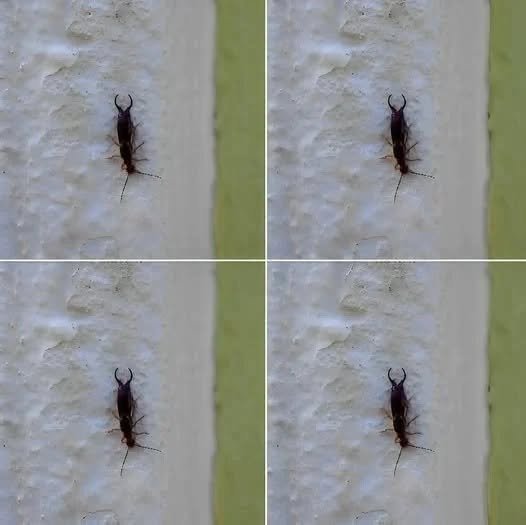
Spotting a tiny insect crawling across your kitchen counter can be unsettling, especially when you have no idea where it came from. In many cases, these small invaders are not random at all — they may be a sign that something inside your pantry needs attention.
One of the most common culprits is the pantry moth or grain beetle, tiny pests that often find their way into dry goods like flour, rice, pasta, cereal, nuts, and even pet food. While they are small and usually harmless to humans, they can spread quickly if left unchecked.
The good news? Finding one doesn’t mean your kitchen is “infested” or unsafe. It simply means it’s time for a careful inspection and a few practical steps to stop the problem early.
What Are These Tiny Pantry Insects?
The most common pantry pests include:
- Indian meal moths – small moths often found near dry food
- Weevils – tiny beetles that love grains and rice
- Flour beetles – often found in flour, pasta, and cereals
- Grain mites – very small, pale insects in humid storage conditions
These pests usually enter the home inside packaged foods from stores. They can remain unnoticed for weeks until they hatch and spread.
Signs You Should Check Your Pantry
If you notice one small insect, inspect for:
- Tiny bugs inside flour, rice, or cereal
- Small holes in food packaging
- Web-like strands inside dry goods
- Clumped flour or grains
- Larvae or cocoons in corners or shelf edges
- Moths flying near cabinets or lights
Even one sign can indicate hidden activity.
Where They Usually Hide
Pantry pests often target:
- Flour
- Rice
- Pasta
- Oats
- Cornmeal
- Dried beans
- Crackers
- Nuts
- Seeds
- Baking mixes
- Pet food
- Bird seed
- Dried fruits
- Spices
They prefer dark, warm, dry spaces.
What To Do Immediately
1. Inspect Everything
Go through every dry product in your pantry.
Check opened and unopened packages.
Look carefully for movement, larvae, or webbing.
2. Throw Away Contaminated Food
If you see signs of pests, seal the item in a bag and dispose of it outside your home.
Do not keep “just part of it.”
3. Vacuum Shelves Thoroughly
Vacuum corners, cracks, and shelf joints.
This removes eggs and larvae you may not see.
Empty the vacuum immediately afterward.
4. Wash the Pantry
Clean shelves with warm soapy water.
You can also wipe with a vinegar-water solution for extra cleaning.
Make sure everything dries completely.
5. Store Food Properly
Transfer dry goods into airtight glass or hard plastic containers.
This is one of the best ways to prevent future problems.
How to Prevent Pantry Pests
- Freeze flour and grains for 3–4 days after buying them
- Keep pantry shelves clean
- Rotate older foods first
- Avoid storing opened bags loosely
- Check expiration dates regularly
- Keep humidity low
- Inspect bulk foods before storing
Are They Dangerous?
Most pantry insects are not harmful to people.
They do not bite or spread disease like some household pests.
The main issue is food contamination and waste.
If accidentally consumed, they are generally not dangerous, but the food quality is compromised and should be discarded.
When to Call Pest Control
You may want professional help if:
- The insects keep returning after cleaning
- You find them in multiple rooms
- The infestation spreads beyond food storage areas
- You suspect hidden structural nesting
A pest expert can identify the species and recommend targeted treatment.
Final Thoughts
Finding a tiny insect in your kitchen can feel alarming, but in many cases, it’s manageable with quick action and careful cleaning. Pantry pests are common and often arrive unnoticed in packaged foods.
The key is to act early: inspect, clean, discard affected items, and improve storage habits.
A little attention now can save you a much bigger problem later — and help keep your kitchen clean, safe, and stress-free.