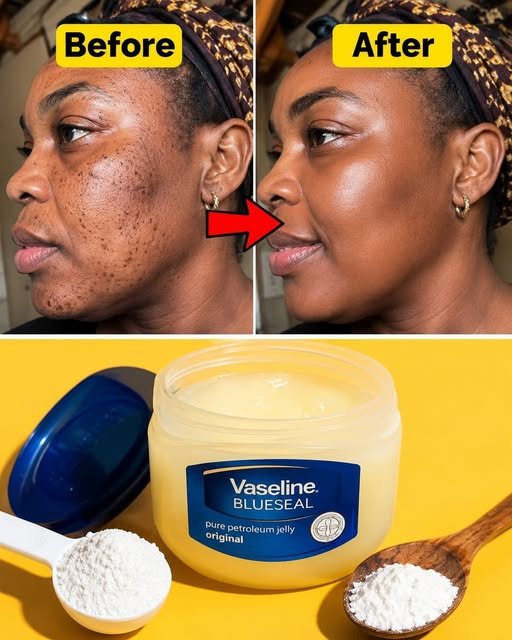
Skin tags are common, small growths that can appear on areas like the neck, underarms, eyelids, and other spots where skin rubs together. Because they are usually harmless, many people look for simple home remedies to manage them — and one of the most searched options is Vaseline (petroleum jelly).
But can petroleum jelly actually remove skin tags?
The answer is important to understand before trying any home method.
What Are Skin Tags?
Skin tag are small, soft, non-cancerous skin growths that often develop in areas of friction.
They are commonly linked with:
- aging
- skin rubbing
- weight changes
- genetics
- hormonal shifts
Most are harmless, but they can sometimes become irritated.
Can Petroleum Jelly Remove Skin Tags?
Petroleum jelly itself does not remove skin tags.
It does not:
❌ dissolve the tissue
❌ cut off blood flow
❌ make the tag fall off directly
What it can do is help:
✅ protect the surrounding skin
✅ reduce dryness
✅ lower friction
✅ support healing after irritation
This makes it useful for skin care, but not as a true removal treatment.
Why Do People Use It?
Some home methods combine petroleum jelly with other approaches, such as covering the area or reducing friction.
People often use it because it may:
- soften the skin
- protect against rubbing
- create a moisture barrier
But there is limited evidence that petroleum jelly alone affects the skin tag itself.
What Doesn’t Work Well
Some internet remedies suggest extreme or unsafe methods.
Be cautious about:
- cutting skin tags at home ✂️
- using harsh chemicals
- applying unverified acids
- burning the skin
These methods may increase the risk of:
- bleeding
- infection
- scarring
Safer Removal Options
If a skin tag is bothersome, safer options may include:
Professional removal
A doctor may use:
- freezing (cryotherapy)
- cauterization
- sterile cutting
- ligation
These methods are often quick and controlled.
Over-the-counter options
Some products are designed specifically for skin tags.
Always follow the instructions carefully.
Monitoring
If the skin tag is not causing discomfort, many people simply leave it alone.
When to See a Doctor
You should have a skin growth checked if it:
- changes color
- grows quickly
- bleeds
- becomes painful
- looks unusual
Not every growth is a simple skin tag.
Final Thoughts
Petroleum jelly can help protect and moisturize the skin, but it is not a proven skin tag removal treatment. If you are considering removing a skin tag, it’s best to use safe methods and seek professional guidance when needed.
Protecting your skin and avoiding risky home treatments is the safest approach.
This article is for informational purposes only and is not intended as medical advice, diagnosis, or treatment.